
Article
Specialty practices and the need for a mold-breaking EHR
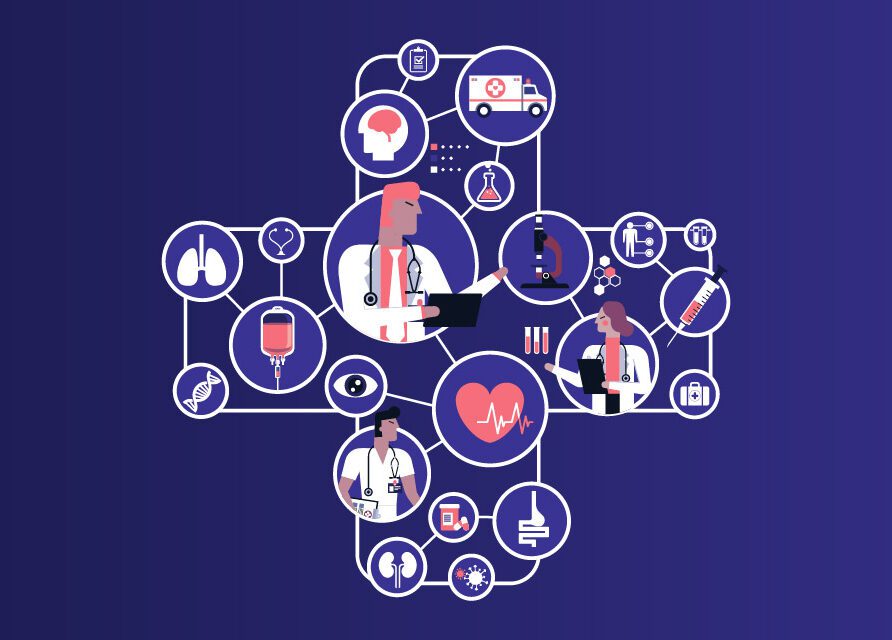
As we know, healthcare is not one-size-fits-all. Every patient is different and has different needs. Specialty practices serve specific patient populations with unique healthcare needs, necessitating tailored workflows and documentation processes. Each specialty, whether it’s cardiology, neurology or obstetrics, operates with its distinct set of protocols, diagnostic tools and treatment plans. Each require precise data and detailed records of medications. Some rely on, say, comprehensive documentation for neurological exams and imaging studies. And some will need to focus on prenatal care and require systems that can efficiently track the progression of pregnancy and labor.
 These differences mean that a one-size-fits-all EHR solution often falls short, as it cannot adequately support the specific documentation, workflow and data-management needs of each specialty. Effective EHR systems must therefore offer flexibility and customization to accommodate the unique workflows of various specialties, ensuring specialists can deliver the highest quality of care.
This foundational understanding of the diverse needs of specialty practices sets the stage for exploring the complexities of multi-specialty practices and the integrated health systems that support them.
To dive in further, here are three specific challenges specialty practices need to overcome.
- Lack of tailored systems: Specialists often encounter EHR systems that are not specifically designed for their unique workflows and documentation requirements. For example, cardiology, neurology and nephrology each have distinct needs when managing conditions like hypertension. Using a generic EHR can result in inefficient documentation processes and hinder the quality of patient care.
- Coexistence in multi-specialty environments: In multi-specialty health systems, using multiple software systems is impractical. While single-specialty EHRs exist, integrating these into a multi-specialty practice can lead to fragmentated care and increased administrative burden. Specialists must work within a shared EHR framework, which can complicate workflows and reduce efficiency.
- Comprehensive care coordination: Despite the challenges, there are significant benefits to having multiple specialties working together. Coordinated care can lead to better patient outcomes, as comprehensive treatment plans can be developed through collaborative efforts. This holistic approach ensures all aspects of a patient’s health are considered—from preventive care to chronic disease management.
Specialty practices have a lot to manage. From specialized workflows to maintaining high standards of care across disciplines, the journey upward can be fraught with difficulties. However, with the right EHR system, these challenges can be conquered. We’re proud of our TouchWorks® EHR, a system that provides the flexibility, customization and robust functionality needed to support the diverse demands of specialty practices. By leveraging such technology, multi-specialty practices can enhance efficiency, improve patient outcomes and streamline their operations—ultimately delivering higher quality care to their patients. Which, after all, is their specialty.
About the author

Related Insights










Article