Article
From cloud infrastructure to intelligent operations
For much of the last seven years, my focus at Altera Cloud has centered around helping organizations modernize infrastructure in a way that reduced risk, improved resiliency and created a more scalable operational foundation. At the time, cloud transformation was largely about migration, moving systems out of aging environments and into platforms that could better support growth and long-term flexibility.
That work still matters. But over the last several years, I’ve noticed the conversation evolving in a meaningful way.
Infrastructure alone is no longer the differentiator. Availability and scalability have become expected. Increasingly, organizations are asking a different question: Not just where systems run, but how intelligently the environment itself operates.
That shift has been underway for us at Altera Cloud for at least the last four years. Some of the most impactful operational work we’ve done recently hasn’t been about hosting infrastructure at all—it’s been about building environments capable of identifying friction, predicting issues and responding automatically before users are impacted.
As environments become more interconnected, operational complexity has become one of the biggest barriers to efficiency and innovation. Small degradations that once impacted a single application can now ripple across an entire ecosystem—affecting workflows, user experience and business continuity long before a traditional outage is declared.
Historically, infrastructure operations were designed around uptime and reactive support. Monitoring focused on server health, storage utilization and network availability. Success was often defined by whether systems were technically online.
But modern environments are far more dynamic. Applications now span hosted infrastructure, SaaS platforms, integrations, virtual workspaces, identity services and increasingly AI-enabled technologies. At the same time, users expect seamless performance regardless of where applications actually reside.
In this environment, traditional operational models begin to show their limits.
An application may technically be available while users experience latency, authentication delays or unstable sessions. Infrastructure dashboards may appear healthy while integrations slowly degrade in the background. Operations teams are left managing disconnected monitoring tools, alert fatigue and growing operational noise.
That gap between infrastructure health and actual user experience is driving the next evolution of cloud operations.
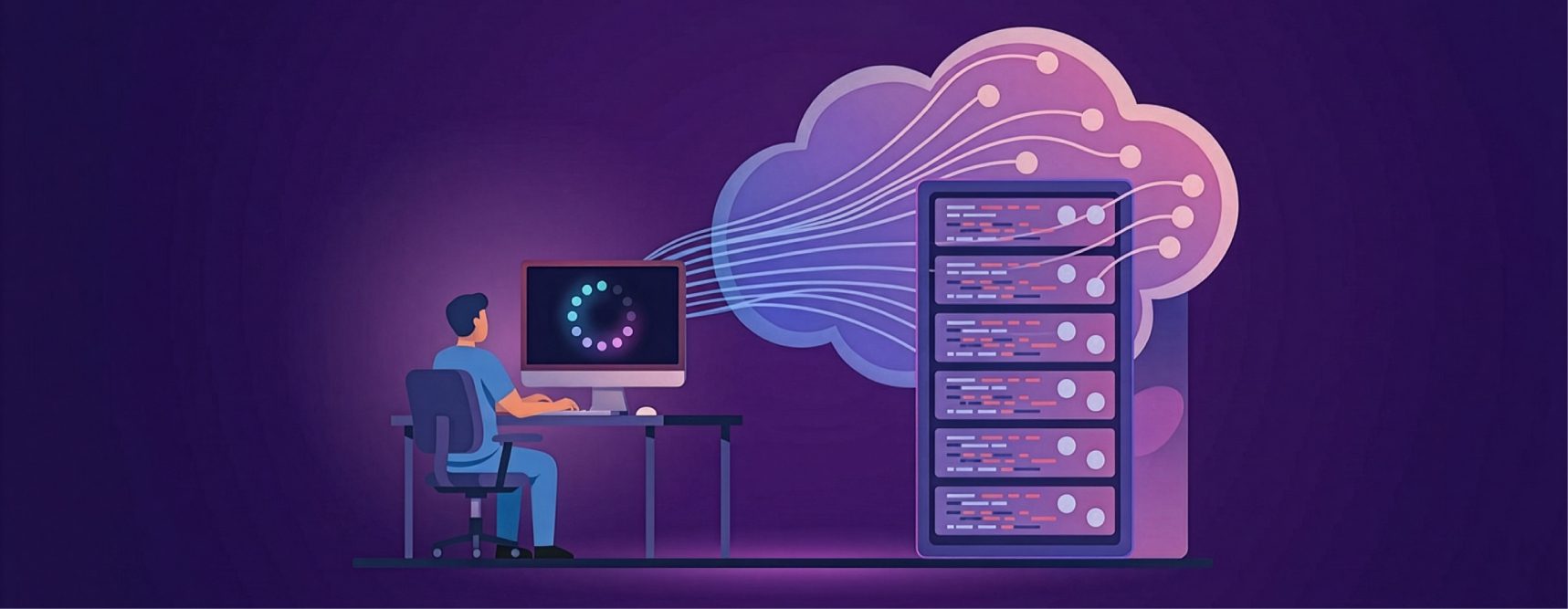
AI is accelerating this shift in a very practical way. Rather than relying solely on static thresholds and reactive alerting, intelligent operational platforms can analyze patterns across infrastructure, applications and user telemetry to identify anomalies and degradation trends much earlier.
More importantly, they can increasingly take action automatically.
Some of the capabilities we’ve invested in at Altera Cloud are centered around self-healing operations—automated remediation workflows capable of restarting failed services, rebalancing workloads or isolating degraded components before issues spread more broadly. What once required manual intervention can now often happen proactively and in real time.
That changes the role of operations teams significantly. Instead of spending the majority of their time firefighting, teams can focus more on optimization, resilience and enabling innovation across the broader environment.
I also think this changes how organizations should think about operational success.
Users do not experience infrastructure. They experience workflows.
They notice whether applications launch quickly, sessions remain stable and systems respond consistently throughout the day. Even small amounts of operational friction can compound quickly across interconnected environments. Traditional dashboards may show systems as “green” while user productivity steadily declines.
To me, this is where cloud becomes genuinely interesting again.
The first era of cloud was about migration. The next era is about intelligence.
The most mature environments are no longer simply infrastructure platforms. They are becoming adaptive operational ecosystems capable of improving stability, reducing friction and supporting continuous change with far less manual intervention.
At Altera Cloud, we see growing interest in operational models that move beyond traditional hosting expectations. Organizations are increasingly looking for environments that provide not only resiliency and scalability, but also deeper operational visibility, automation and long-term adaptability across the broader ecosystem.
Because ultimately, the future value of cloud will not be defined solely by infrastructure performance. It will be defined by how intelligently the environment operates behind the scenes—helping organizations move faster, reduce operational complexity and operate with greater confidence.
Learn more about Altera Cloud.
About the author