
Article
Post-pandemic anxiety creates new challenges in healthcare
As of this June, the U.S. Preventive Services Task Force is officially recommending anxiety screenings as part of routine checkups conducted by primary care physicians. The recommendation comes after a noticeable rise in mental health issues following the COVID-19 pandemic. According to a survey by Pew Research, 41% of Americans experienced high levels of psychological distress at some point during the pandemic. A change in how we screen and treat patients is a must. But that can also come with new problems to address.
The pandemic’s contribution to the growing mental health crisis is two-fold. First, those infected with COVID-19 are more likely to experience symptoms such as anxiety, depression and brain fog in the months following their infection. Secondly, social and economic changes driven by the pandemic are believed to contribute to the rise in anxiety and depression.
Screening for anxiety disorders rather than waiting for patients to seek help is important, as patients may be reluctant to talk about their symptoms or they may have normalized their symptoms to a degree where they don’t even realize they have a problem. Anxiety can also take many forms with a wide array of symptoms. According to the NIH, anxiety disorders can include panic disorder, generalized anxiety disorder, agoraphobia, specific phobia, social anxiety disorder, post-traumatic stress disorder, obsessive-compulsive disorder, and separation anxiety disorder.
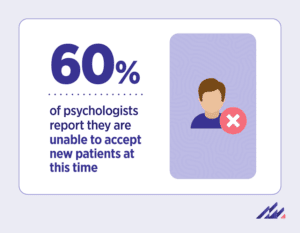
An increased effort to properly diagnose and treat patients suffering from anxiety disorders is vital. But this new recommendation is also expected to create an influx of mental health patients, putting a strain on healthcare systems that already struggle to keep up with demand. The National Council of Wellbeing reports that the average wait time to access mental health resources is approximately six weeks. If a patient requires a specialist, that wait time can turn into months. A recent survey from the American Psychological Association (APA) found that 60% of psychologists report they are unable to accept new patients at this time.
 The same APA survey also found that 45% of psychologists report feeling burnt out. As we begin to process the incoming wave of mental health patients, it will be more important than ever for EHRs to ease the cognitive burden on providers in any way they can. At Altera, we’re focusing on Human-Centered Design to create solutions that reduce cumbersome workflows, increase clinician satisfaction and improve patient care.
This is far from the first challenge our healthcare system has faced and it will not be the last. But being proactive about the needs of our mental health providers will be the best way to ensure proper patient care and protect the wellbeing of our providers. Everyone in healthcare, including healthcare IT companies, should continue to monitor this mental health crisis as it develops.
Related Insights








Article